HomeBooksPRODUCTIVITY AND TECHNICAL EFFICIENCY ANALYSIS OF INDIAN CAPITAL GOODS SECTOR
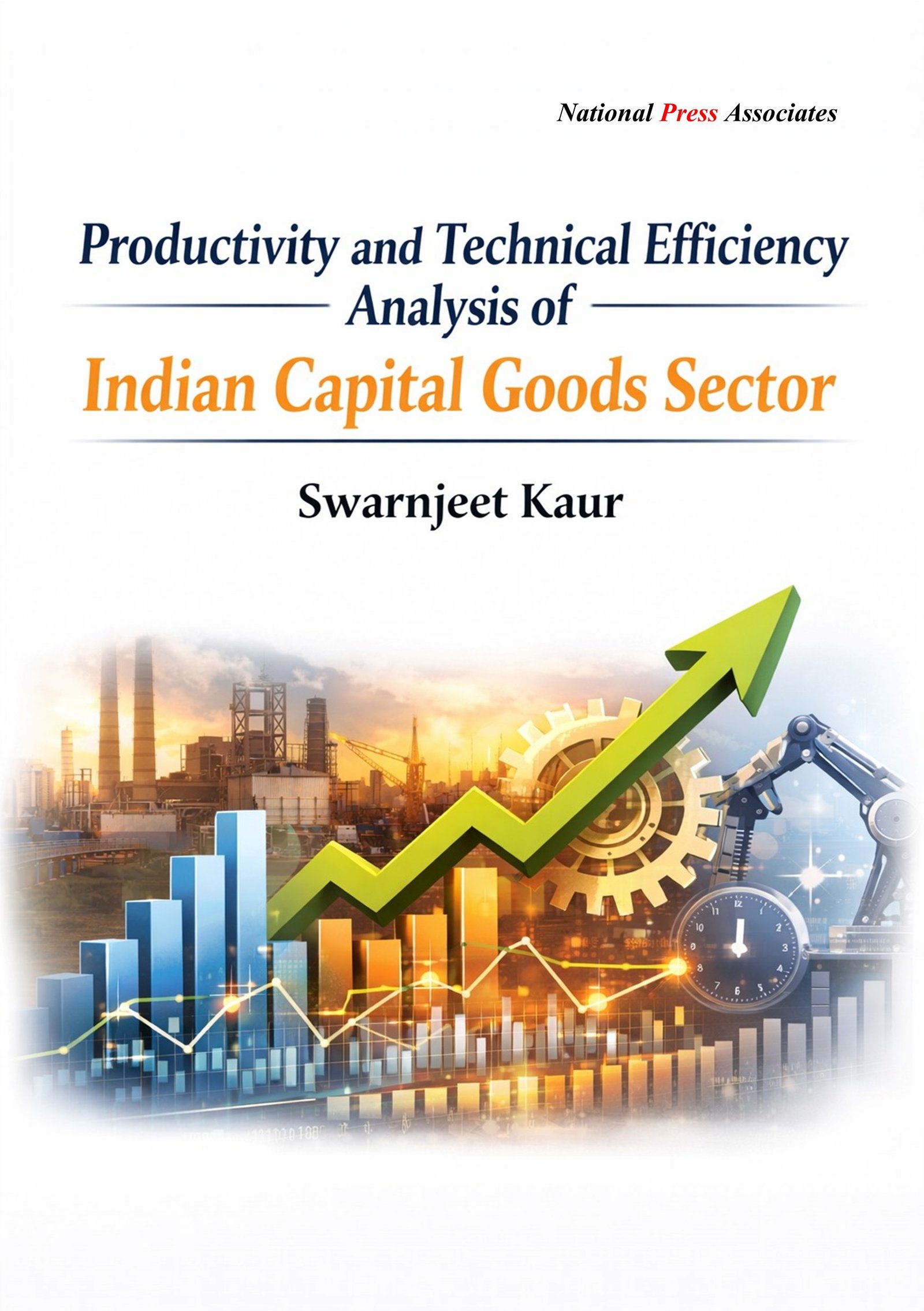
PRODUCTIVITY AND TECHNICAL EFFICIENCY ANALYSIS OF INDIAN CAPITAL GOODS SECTOR
Author(s): Swarnjeet Kaur
Language: English
Format: Single-Component Retail Product (Book)
Year of Publication: 2025
Publisher Name: National Press Associate

In India, the development of capital goods sector started from early years of World War II. Some British owned firms decided to manufacture machine tools in India caused from non-availability of imports but the potential capacities and infrastructure of capital goods remained almost untapped. However, special schemes were launched to provide incentives for technological accumulation and technology capabilities in capital goods industries since independence. The Mahalanobis model recommends the big push investment in heavy industries in second five year plan along with establishment of various public sector enterprises (PSEs), research institutions, universities and Indian Institutes of Technology (IITs).
Authors
Swarnjeet Kaur
Swarnjeet Kaur is an assistant professor in Department of Economics, Khalsa College for Women, Amritsar. She is dedicated academician and researcher in the field of Economics with specialization in industrial economics, productivity analysis, and development studies. She holds a Ph.D. from Guru Nanak Dev University, Amritsar, with her doctoral research focusing on economic reforms, technology accumulation, and industrial development in the Indian capital goods sector. She has teaching experience of more than 4 years, where she has taught undergraduate and postgraduate courses. She has consistently demonstrated academic excellence with her research contributions reflected in several publications in peer-reviewed national and international journals, as well as chapters in edited volumes published by reputed publishers. Her work broadly addresses issues of productivity, technology, trade liberalization, gender, and economic development. She remains committed to teaching, research, and capacity building, with a keen interest in promoting inclusive and sustainable economic development.